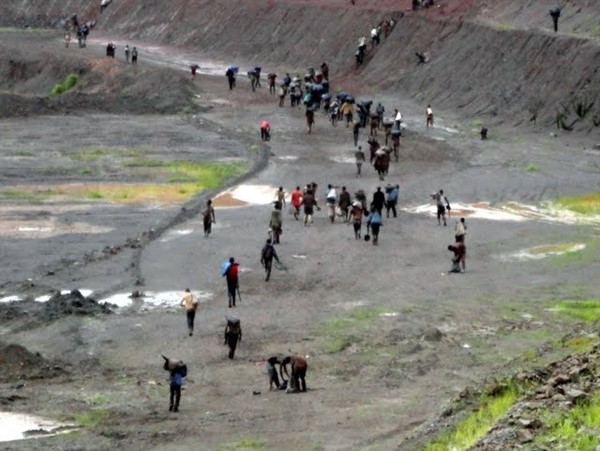
Copper and cobalt mining in the country is heavily dependent on sulfuric acid and sulfur-based chemicals such as sodium metabisulfite (SMBS), supplies of which have been affected by shipping disruptions related to the Iran war. Some mining companies are already feeling the effects. In the DRC, an order for 2,000 tons of SMBS was canceled outright, while another shipment of 1,800 tons was withdrawn in early April after contracts had been signed, according to a supply chain source. The price of sulfuric acid has exceeded $500 per ton in recent weeks due to supply constraints, Ivanhoe reported on March 31. The company had previously stated that the prolonged closure of the Strait of Hormuz could lead to further price increases.
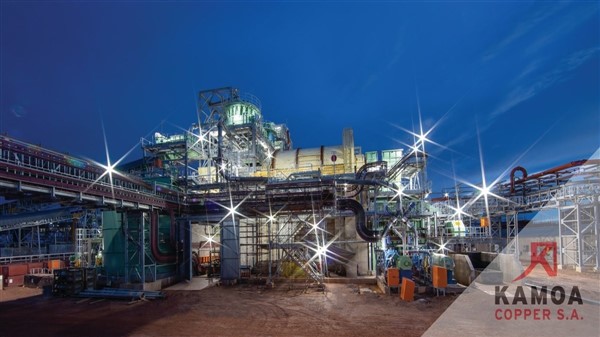
Ivanhoe’s Kamoa-Kakula copper complex, located in the Democratic Republic of Congo and home to Africa’s largest copper smelter, is playing an increasingly strategic role in the current market environment.
Kamoa-Kakula can produce its own sulfuric acid as a byproduct of copper smelting, thereby reducing its reliance on acid imports, which have been affected by disruptions in global supply. It also sells this acid to oxidized copper mines located elsewhere in the DRC’s copper belt.
The smelter produced 117,871 tonnes of high-strength sulfuric acid in the first quarter, Ivanhoe said.
“Kamoa-Kakula is ideally positioned as a producer and seller, and therefore not a consumer, of sulfuric acid,” Friedland said. “Our industrial process does not require sulfuric acid to produce copper anodes with a purity of 99.7%.”
“The revenue generated from sulfuric acid sales represents a strategic advantage given the disruptions to global supply chains caused by the closure of the Strait of Hormuz,” said Sam Crittenden, mining analyst at RBC Capital Markets, in a report on Monday. Despite this, Ivanhoe said Monday that it has developed contingency plans for all of its operating sites to maintain operations during the US-led war against Iran. These measures include advance purchases of diesel fuel.
Aimé Binda