China has announced it will suspend sulfuric acid exports starting in May, further impacting the metals and fertilizer industries already weakened by raw material shortages stemming from the Iran-Iraq War.
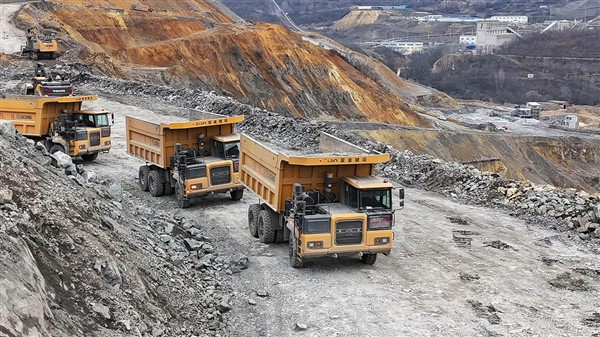
Sulfuric acid prices have risen since the start of the Iran-Iraq War, as the de facto closure of the Strait of Hormuz has blocked sulfur imports from the Middle East, where it is produced from oil and gas refining. This region produces a third of the world’s sulfur, a crucial raw material for sulfuric acid production, which is essential for copper mining and the production of phosphate fertilizers.
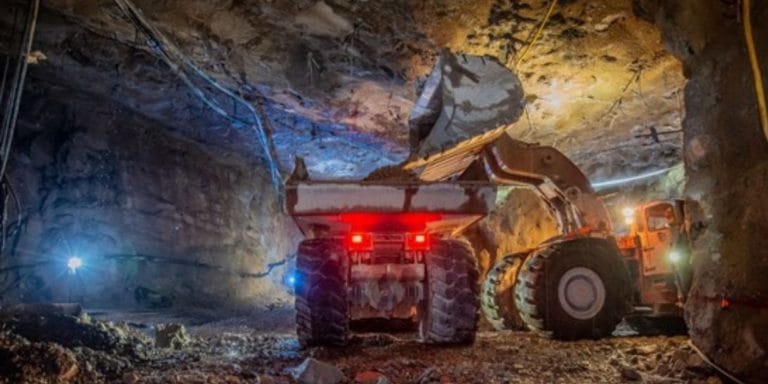
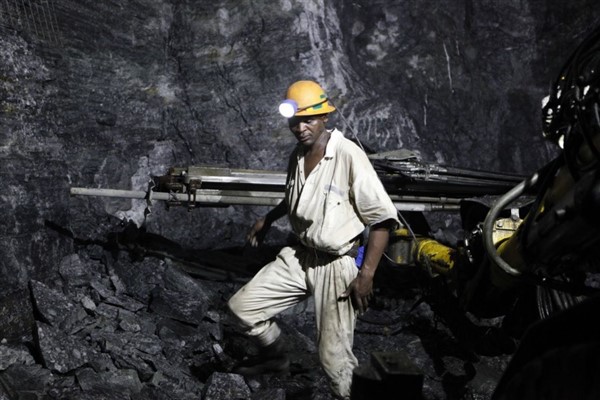
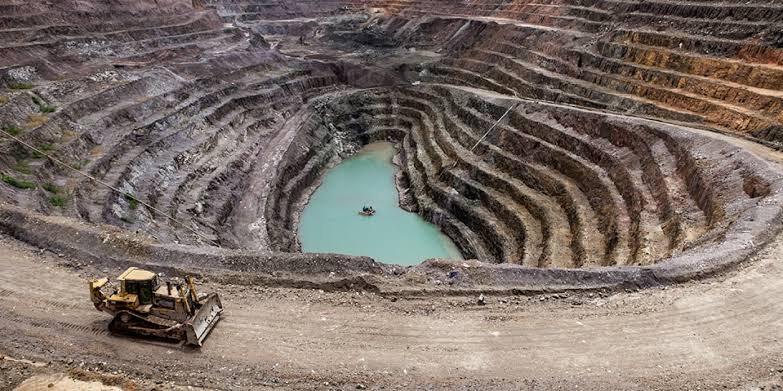
China’s decision to conserve its sulfuric acid stockpiles during this period will exacerbate market pressures. This shortage will affect copper mining industries in key producing countries such as Chile, the Democratic Republic of Congo, and Zambia.
Prices have already soared in Chile, which imports more than one million tons of Chinese sulfuric acid annually. About one-fifth of Chile’s copper production, in the world’s largest producer, relies on a process requiring sulfuric acid.
“If the suspension continues throughout the year, Chileans will face even higher prices than they do now,” said Sarah Marlow, acid editor at Argus. The loss of Chinese volumes will be difficult to offset, given the parallel shortage of sulfur-containing raw materials, according to Peter Harrisson, an acid analyst at the consulting firm CRU.
With Bloomberg