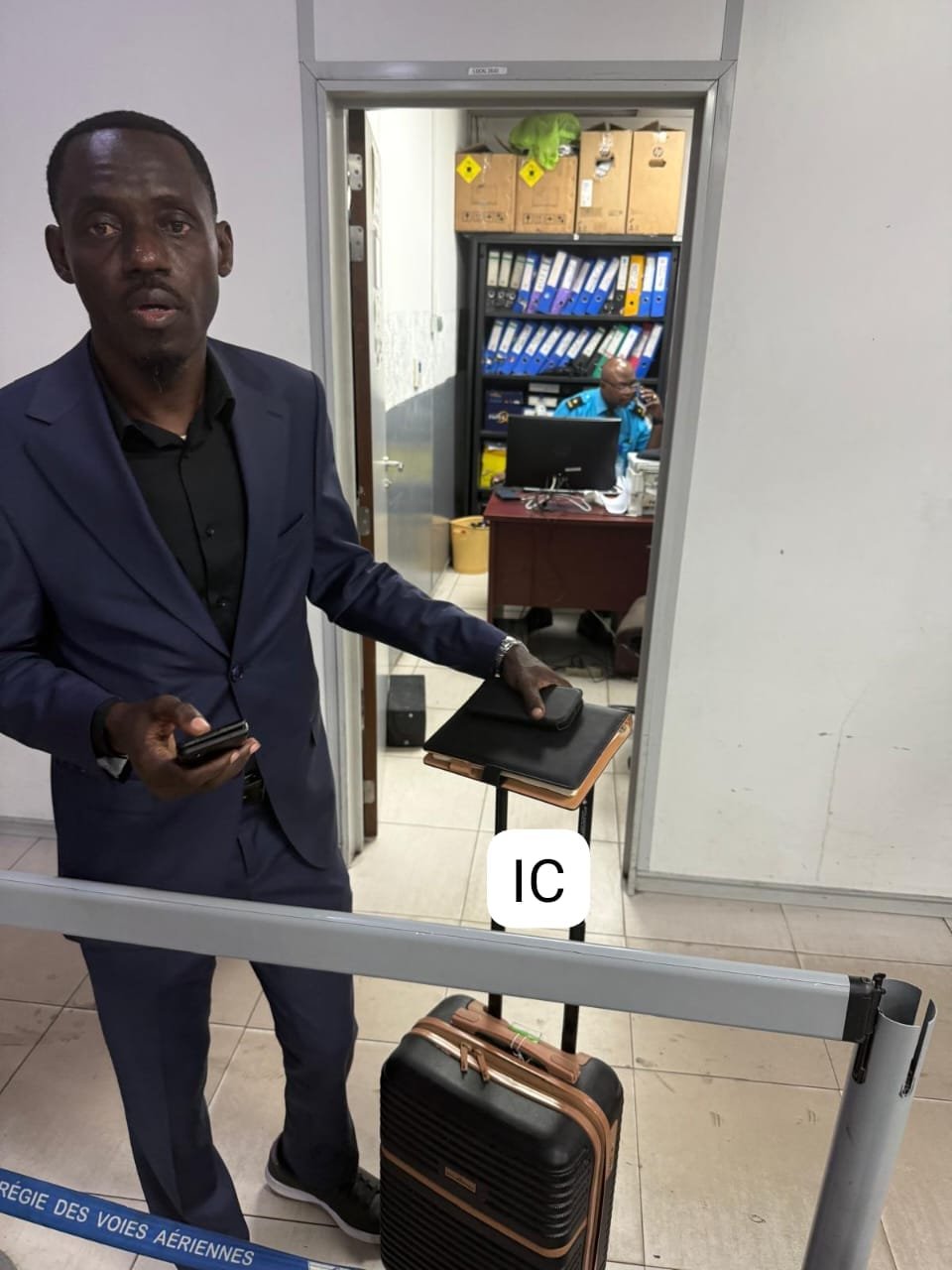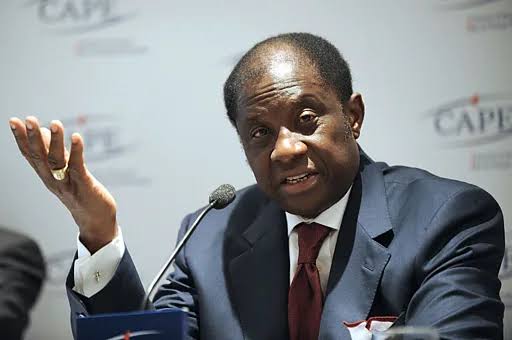
KINSHASA — The case surrounding the diplomatic passport of Alexis Thambwe Mwamba, former President of the Senate of the Democratic Republic of the Congo (DRC), is reportedly taking a sensitive turn. According to information received by the newsroom, the issue may not necessarily concern the former senior official’s eligibility to obtain the document, but rather the circumstances under which the application process was allegedly accelerated.
According to these reports, Alexis Thambwe Mwamba, given his background in the diplomatic corps and his status as a former senior state official, could be eligible for a diplomatic passport, subject to the applicable regulations. However, his application was reportedly still pending at the National Intelligence Agency (ANR).
The situation allegedly took a turn when an acting official at the chancellery decided to expedite the process, going so far as to visit Alexis Thambwe Mwamba’s private residence to conduct mobile biometric photography. This initiative, which allegedly bypassed the usual procedures for processing the application, is said to have prompted the measures taken by the authorities.
According to the same information, the acting chancellery official was reportedly arrested, while Alexis Thambwe Mwamba was allegedly placed under house arrest.
A Case That Still Raises Questions
At this stage, the newsroom is unable to determine whether these measures are exclusively related to the acceleration of the diplomatic passport application process or whether they are also connected to another matter involving national security.
In the absence of a detailed official statement, several issues remain to be clarified, including the precise grounds for the arrests, the legal basis for the house arrest, and whether any additional allegations have been made against the former Senate president.
The case therefore raises broader questions about compliance with administrative procedures, oversight of official documents, and the accountability of public officials handling sensitive cases.
Newsroom