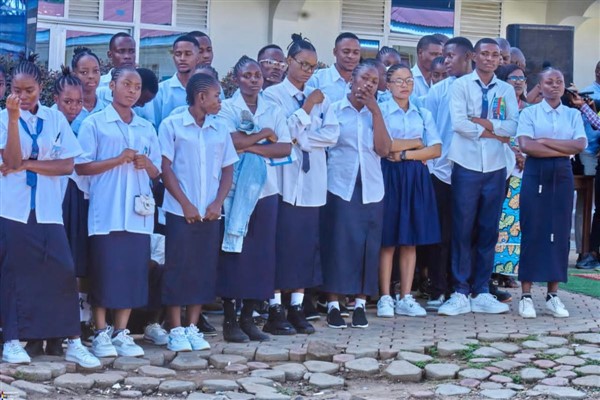
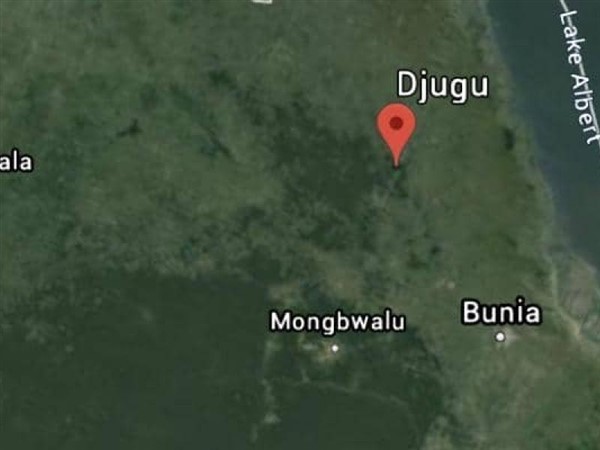
Despite the return of peace and displaced populations to the Bahema Nord chiefdom in Ituri, thousands of children remain out of school. The cause is the total destruction of educational infrastructure during recent clashes between the army and the CRP militia.
Since November 2025, a relative lull in violence has allowed nearly 80% of displaced persons to return to the villages of Torgesse, Joo, and Gb. However, the joy of returning home has been met with a bitter reality. Families have found villages where schools were systematically looted, burned, or reduced to unstable ruins.
Education at a standstill
The situation on the ground is devastating. The few school buildings still standing are in such a state of decay that they pose a safety risk to students. This situation, which has persisted for several years, forces parents to keep their children at home due to a lack of safe alternatives. For community leaders, the future of an entire generation is currently being sacrificed as a consequence of armed conflict.
A call for urgent action
Faced with this educational emergency, local leaders in the Bahema Nord region are directly appealing to national authorities and humanitarian partners. They have outlined three priority demands:
1. Priority Reconstruction: Urgently include the repair of these facilities within the framework of the 145 Territories Development Program.
2. Emergency Humanitarian Aid: Deploy temporary learning structures to allow classes to resume immediately.
3. Enhanced Security: Ensure a lasting military presence to protect future infrastructure and reassure the population.
The challenge now is to transform this military lull into lasting social stability, starting by restoring the fundamental right to education for the children of Lake Albert.
Key takeaways:
* Context: 80% of displaced people have returned following an atmospheric shift in conflict between the FARDC and the CRP militia.
* Problem: Destroyed or dangerous schools are preventing all forms of schooling.
* Requested Solution: Government intervention through the 145 Territories Program and logistical support from humanitarian organizations.
With Okapi