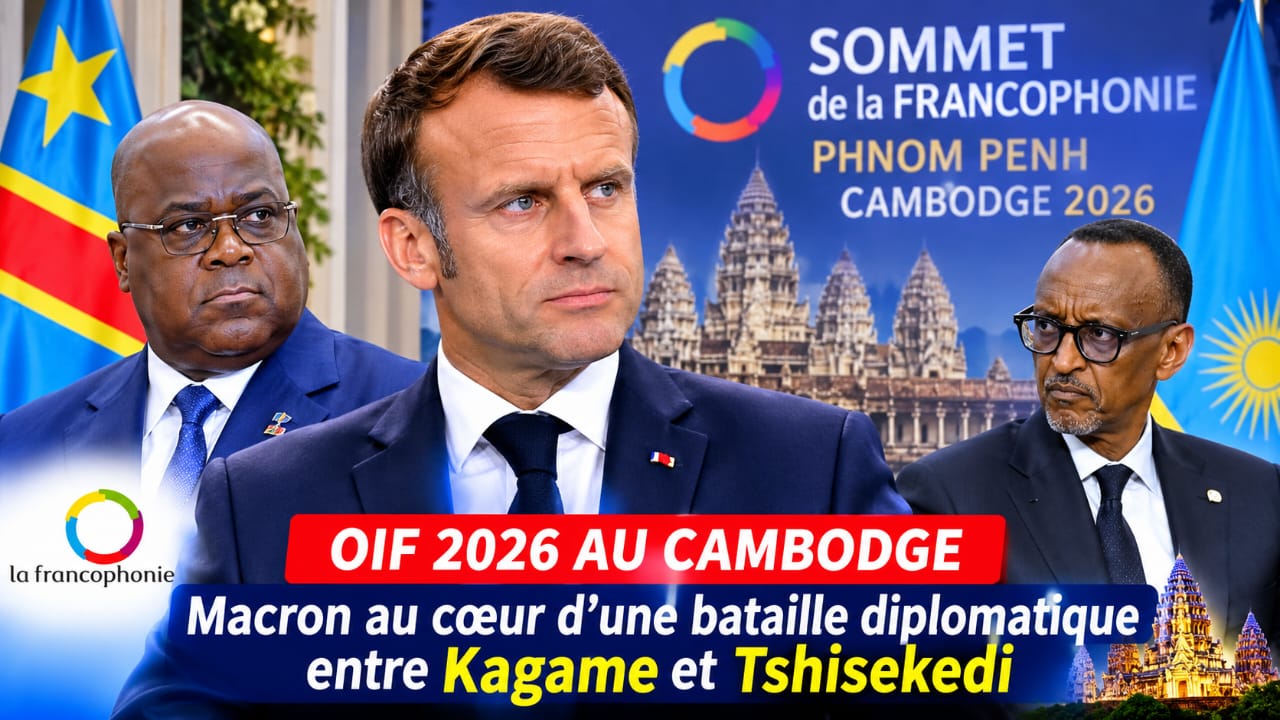
Sixty years after Charles de Gaulle’s famous speech and more than three decades after François Mitterrand’s visit, Emmanuel Macron sets foot on Cambodian soil on the occasion of the 20th Francophonie Summit. Between diplomatic memory and the power struggle for succession at the helm of the OIF, Phnom Penh becomes the epicenter of Francophone geopolitics.
The image is highly symbolic. As he begins his state visit to Cambodia on the sidelines of the 20th Summit of the Organisation internationale de la Francophonie (OIF), French President Emmanuel Macron follows in the footsteps of a sixty-year-old diplomatic history, while playing a tight game on the current international chessboard.
1966 – 2026: The Weight of History Between Paris and Phnom Penh
To grasp the significance of this trip, one must trace back the thread of time. In September 1966, at the height of the Vietnam War, General Charles de Gaulle delivered a landmark speech in Phnom Penh, advocating for the neutrality of Southeast Asia and the withdrawal of American troops. Nearly thirty years later, in February 1993, François Mitterrand became the first Western head of state to visit Cambodia following the Paris Peace Agreements.
In 2026, the geopolitical context has radically shifted, yet the stakes of influence remain intact. Faced with growing rivalry between the United States and China in Southeast Asia, France seeks to reaffirm an Indo-Pacific “third way.” This state visit aims as much to consolidate economic and cultural partnerships with the Khmer Kingdom as to recall the historical roots of the Francophonie in Asia.
Behind the Scenes of the 20th Summit: The Post-Mushikiwabo Era at Stake
Beyond bilateral protocol, all eyes among the delegations are fixed on the power dynamics of this 20th Summit, held under the theme: “Reinvesting in peace for shared prosperity and lasting stability.”
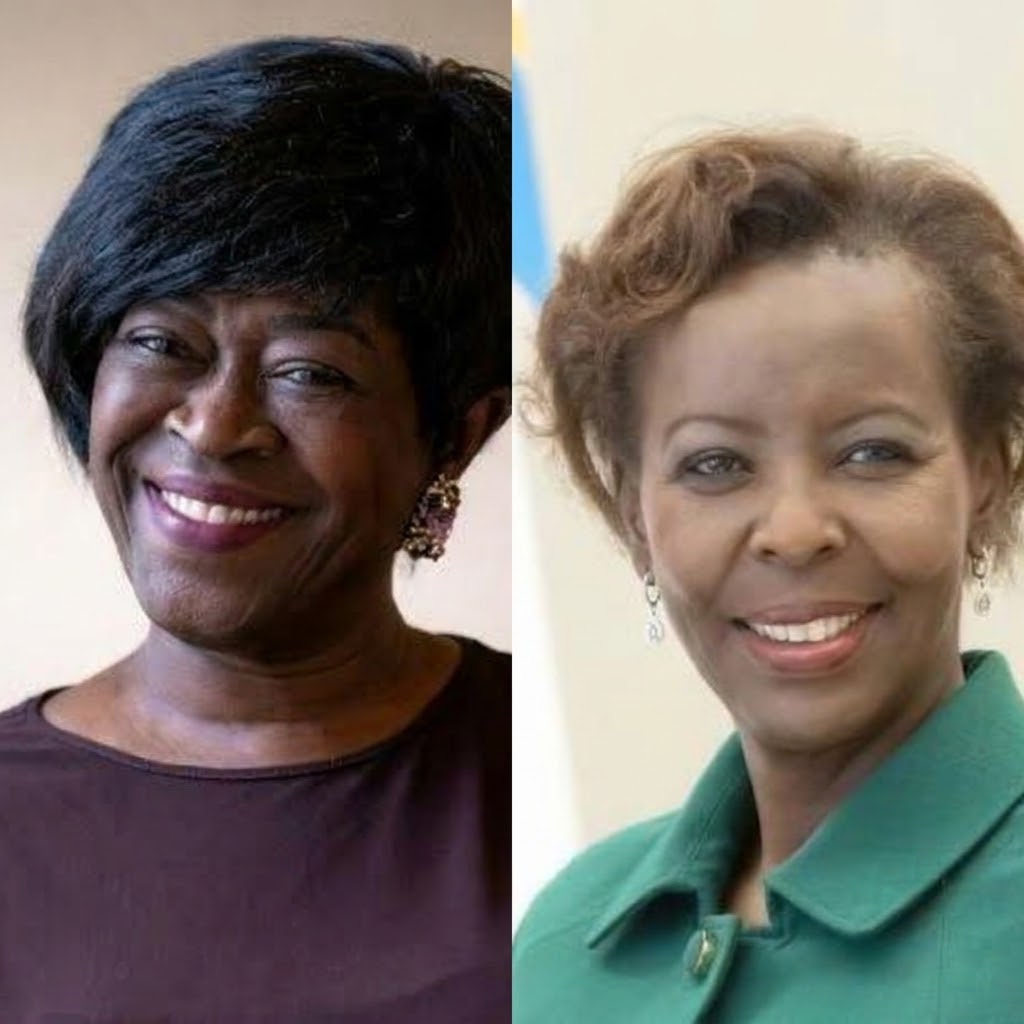
Following two terms by Rwandan Louise Mushikiwabo as head of the OIF, the election of the next Secretary-General is the focal point of attention. Behind closed doors, negotiations are in full swing among chancelleries.
The demographic and political weight of the African continent—the true lifeblood of the Francophone space—is more decisive than ever in this vote. Between the expectations of Central and West African states regarding security, sovereignty, and economic cooperation, and Paris’s desire to maintain an influential organization on the global stage, alliances are being forged and unmade behind the scenes in the Cambodian capital.
A Turning Point for the Future of the Francophone World
By bringing together leaders from nearly 90 states and governments in Phnom Penh, this summit acts as a litmus test. Sixty years after de Gaulle’s call for a multipolar world, the Francophonie of 2026 stands at a crossroads: successfully achieve its economic and political transformation to carry weight alongside major global blocs, or risk diplomatic irrelevance.
Editorial Staff