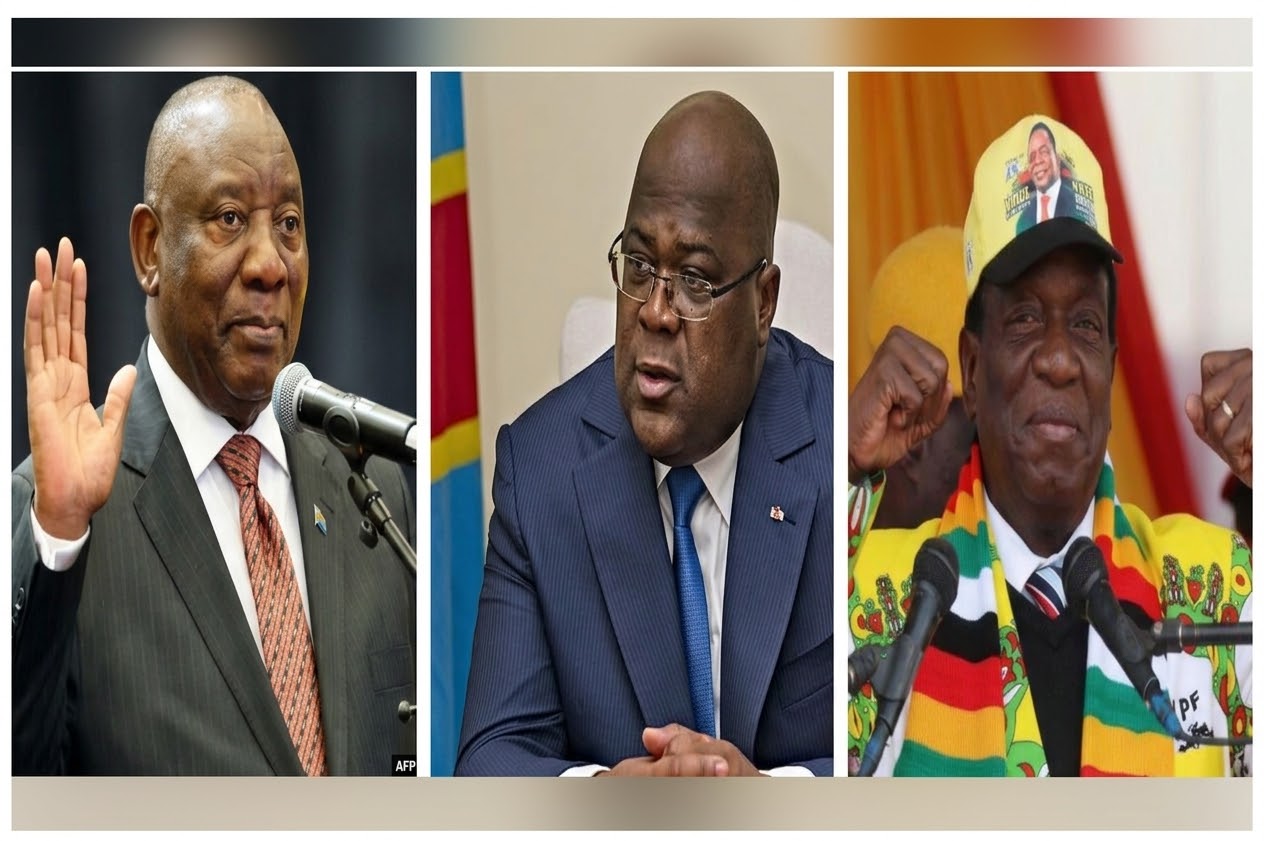
President Félix Tshisekedi is deploying a regional diplomatic strategy aimed at dismantling the political and military networks of his predecessor, Joseph Kabila, within the Southern African Development Community (SADC). Tensions between the current Congolese leader and his predecessor have taken on a regional security dimension, shifting the focus toward the SADC headquarters in Gaborone, Botswana, as well as the Kingdom of Eswatini.
President Tshisekedi has publicly accused Kabila of acting as an instrument of external forces—notably mentioning ties to Rwanda-backed offensives—aimed at destabilizing the Democratic Republic of Congo (DRC).
The Eswatini Trail: The Royal Protection of King Mswati III
The Kingdom of Eswatini constitutes a primary target of the diplomatic counter-offensive led by Tshisekedi. Diplomatic and intelligence reports indicate that Joseph Kabila resides in Eswatini under the direct protection of King Mswati III and his son, Prince Sicalo Dlamini. Kabila is reported to have transferred his operational base to Eswatini after his political and physical movements were restricted in other regional hubs, such as South Africa.
Increased Pressures Within SADC
Beyond Eswatini, Kinshasa is leveraging its regional position to compel other SADC member states to take a stance, utilizing both diplomatic pressures and economic threats. At the SADC headquarters in Gaborone, Congolese authorities are conducting systematic lobbying work to neutralize any administrative or political support that Kabila’s network might enjoy. Tshisekedi has threatened to reduce, or even suspend, strategic cooperation with major regional actors—notably South Africa, Zimbabwe, and Kenya—accusing them of granting Kabila the freedom of movement and political space necessary to orchestrate his political and military activities. However, no official confirmation of the alleged diplomatic threats or any formal measures taken against the three countries has been established. The reported events raise concerns regarding the potential regional consequences of the confrontation between Tshisekedi and Kabila, notably given the long-standing political, economic, and security relations that the DRC maintains with neighboring African states.
Redaction