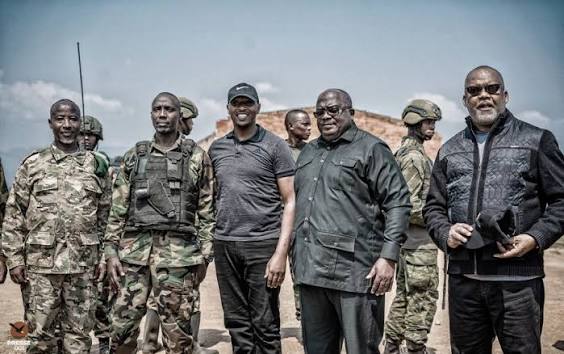
The issue of travel documents was crucial in enabling this trip to Europe. The involvement of international mediators, notably Switzerland and the UN, facilitated the acquisition of security guarantees and travel documents for the M23 rebel delegates, many of whom lacked valid passports.
According to information from Africa Intelligence, the choice of Geneva as the diplomatic capital for these discussions reflects the mediators’ desire to find a secure and neutral environment, far removed from the current instability in the Middle East.
The details of this timeline are as follows:
April 11, 2026: Official opening of the round of negotiations in Switzerland.
April 13, 2026 (Monday): Date brought forward for a plenary session bringing together in person the delegations from Kinshasa and the AFC-M23.
April 14, 2026: Date specifically mentioned by AFC-M23 officials for the start of substantive work in Geneva.
A final logistical obstacle has been resolved: the renewal of expired passports for AFC-M23 leaders, which the Congolese government had previously refused to renew, potentially blocking their travel to Europe.
Kinshasa loses its main tool of administrative coercion. The travel document is no longer merely a technical tool, but a safe-conduct that breaks the geographical confinement of AFC-M23 leaders.
For the rebellion, officially traveling to Europe is tantamount to de facto recognition. This transforms their status from a “terrorist group” or “negatives” to that of legitimate political interlocutors.
The involvement of Switzerland and the UN suggests an international desire to break the military deadlock by guaranteeing the physical and legal safety of rebel leaders during their travels in Switzerland.
Aimé Binda


