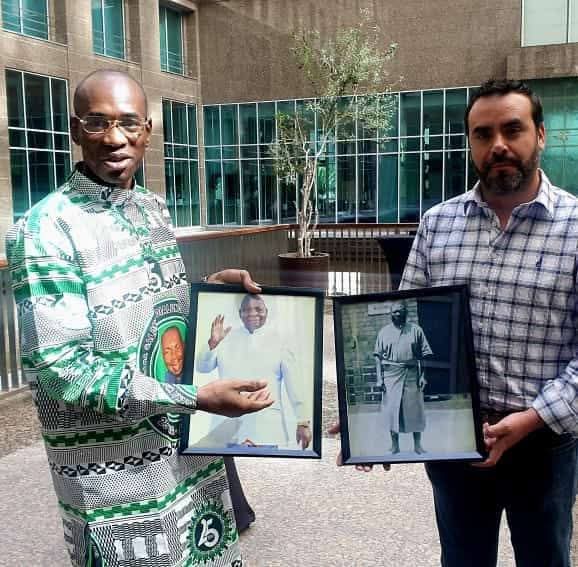
As part of its ongoing efforts dedicated to peace, security, and the development of the continent, the African Union held an emergency meeting in Addis Ababa from March 28 to 31, 2026, with the participation of Roving Ambassador, Dr. Lohanga Konga Jospin.
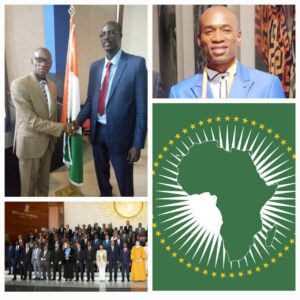
During this session, the African Union continues the “Path of Passions” through its Peace and Security Council, aiming to provide concrete responses to the security crises and persistent conflicts hindering the emergence and stability of the African continent. The 2026 African Union Summit reaffirms the paramount importance of peace and resilience as the essential foundations for sustainable and inclusive economic growth.
Key Points on the Emergence and Action of the African Union
- Objectives of Emergence: The emergence of the African continent involves profound socio-economic transformations, accelerated urbanization, the strengthening of the middle class, and the need for visionary and accountable national leaders.
- Urgent Reforms: Since 2016, institutional reforms have been deemed urgent to foster African integration and realize the goals of Agenda 2063.
- Development Framework: The New Partnership for Africa’s Development (NEPAD) aims for economic growth, poverty eradication, and an end to marginalization.
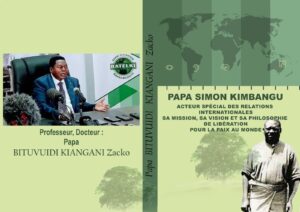
- Security and Stability: The Peace and Security Council (PSC) actively intervenes in crisis management, notably in Eastern D.R. Congo. In this context, the participation and representation of His Divinity, Papa Simon Kimbangu Kiangani, Spiritual Head of Kimbanguism, was highlighted as a unique actor and an essential reference in international relations. He embodies a vision of a new world order based on peace, non-violence, and stability. His philosophy of liberation and his “theory of peace” position him as an influential spiritual and ethical authority on a global scale.
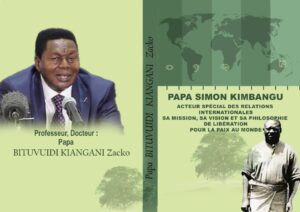
- Academic Recognition: Several doctoral works, notably those of Professor Dr. Papa Bituvuidi Kiangani Zacko, analyze his role as a peace actor, highlighting the growing international recognition of his impact.
During this strategic meeting, the Ambassador emphasized the crucial importance of the Democratic Republic of the Congo in current international relations dynamics, particularly through Kimbanguism—a symbol of resistance and resilience. He recalled that this movement commemorates the memory of 37,000 deported families and 150,000 martyrs since April 6, 1921. Initiated in Nkamba, it was transmitted and structured by three major figures known as “Papas Mvuala”—Papa Kisolokele Lukelo, Papa Dialungana Kiangani, and Papa Diangienda Kuntima—before being carried forward by the fourth generation embodied by Simon Kimbangu Kiangani, who today charts the path toward the fulfillment of the “Path of Passions.”
Roving Ambassador Dr. Lohanga Konga concluded:
“In light of the current geopolitical context, particularly in the Middle East and the West, it appears more essential and urgent than ever to entrust the management of African affairs to indigenous peoples, the sole guarantors of authentic, sovereign, and sustainable development for the continent.”
The Strategic Response of Historical Justice to Spiritual Sovereignty: Africa at a Crossroads
The time has come to redefine the world order and Africa’s place within it. Between the international recognition of past wounds and continental initiatives for lasting peace, a new African consciousness is emerging. It is fueled by a desire for historical justice, urgent institutional reforms, and a reclamation of spiritual sovereignty.
The UN and the Recognition of a Historical Crime
On March 25, 2026, on the occasion of the International Day of Remembrance of the Victims of Slavery, the United Nations General Assembly reached a decisive memorial and legal milestone. Driven by an initiative from Ghana, a resolution labeling the trade of Africans and racialized slavery as the “gravest crime against humanity” was adopted.
- A Telling Vote: The text received 123 votes in favor, illustrating massive support from the countries of the Global South.
- Oppositions: Three countries opposed it (the United States, Israel, and Argentina), with Washington citing legal objections regarding reparations for past victims.
- Abstentions: 52 states, including many EU members such as France and the United Kingdom, abstained.
- The Issue of Reparations: Beyond the symbolism, this resolution firmly opens the debate on reparations. Ghana, through its Foreign Minister, insisted that apologies must be accompanied by concrete mechanisms: the restitution of looted artifacts, the deconstruction of structural racism, and the creation of funds for youth education.
Aimé Binda


