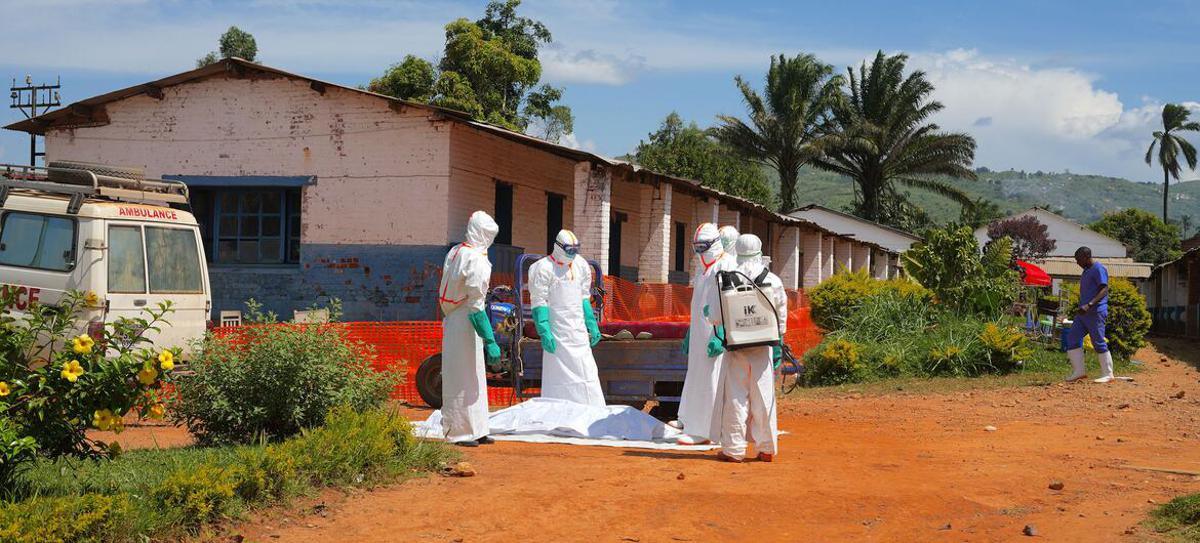
Provincial health authorities in Ituri announced on Monday, November 16, a notable decrease in the number of positive Ebola virus disease cases across several health zones. While this trend is seen as encouraging, the risk of further spread remains high due to ongoing insecurity, population movements, and isolated pockets of community resistance to response efforts.
A Mixed Situation Across Localities
The epidemiological situation varies across different areas of the province:
- Bunia and surrounding areas: Seven positive cases are currently being treated at the Ebola Treatment Center (ETC) of the Higher Institute of Medical Techniques (ISTM), while three other cases are being monitored in the Rwampara health zone.
- Mambasa and Niania: The Niania health zone has recorded three positive cases. In Mambasa, cases are trending downward, with fourteen cases currently registered compared to around twenty over the previous three weeks.
- Mongwalu: No confirmed cases have been reported to date, though four suspected cases remain under medical observation.
Key Drivers Behind the Progress
Experts attribute this overall improvement to stronger community adherence to preventive guidelines, combined with the sustained efforts of field teams. Compliance with health protocols, early reporting of suspected cases, and the active involvement of community relays have helped slow the transmission of the virus in several localities.
Persistent Threats Require Caution
Despite these gains, several challenges continue to concern health officials:
- Patient influx and vandalism: In Niania, the arrival of patients from Bafwasende (in the neighboring Tshopo province) is raising alarm, particularly as that area recently struggled with patient care following acts of vandalism targeting health facilities.
- Community resistance and insecurity: Pockets of resistance persist in certain mining areas (notably at PK 47 and PK 51), complicating epidemiological surveillance. Furthermore, chronic insecurity continues to restrict health teams’ access to specific localities, such as the Damas area.
- Population movements: Migration flows from North Kivu toward Mongwalu are fueling fears of new transmission clusters emerging, particularly toward Yedi, in the Djugu territory.
In light of these ongoing threats, health authorities are urging the population to strictly maintain preventive measures and cooperate fully with response teams to prevent a resurgence of the epidemic in the region.
With Okapi