Félix Tshisekedi and Paul Kagame Expected at the OIF Summit in Phnom Penh to Defend Their Respective Positions in the Battle for the Organization’s Secretary-General Post
Twenty-four heads of state have confirmed their attendance, including 11 African leaders.
Eleven African leaders have already confirmed their participation in the International Organisation of La Francophonie (OIF) summit in Phnom Penh. Among them are Félix Tshisekedi and Paul Kagame, who are expected to defend their respective positions in the battle for the organization’s secretary-general post.
According to information published by investigative media outlet Africa Intelligence, Presidents Félix Tshisekedi of the Democratic Republic of the Congo (DRC) and Paul Kagame of Rwanda will indeed travel to Cambodia to personally support their respective candidates for the position of Secretary-General of the International Organisation of La Francophonie (OIF).
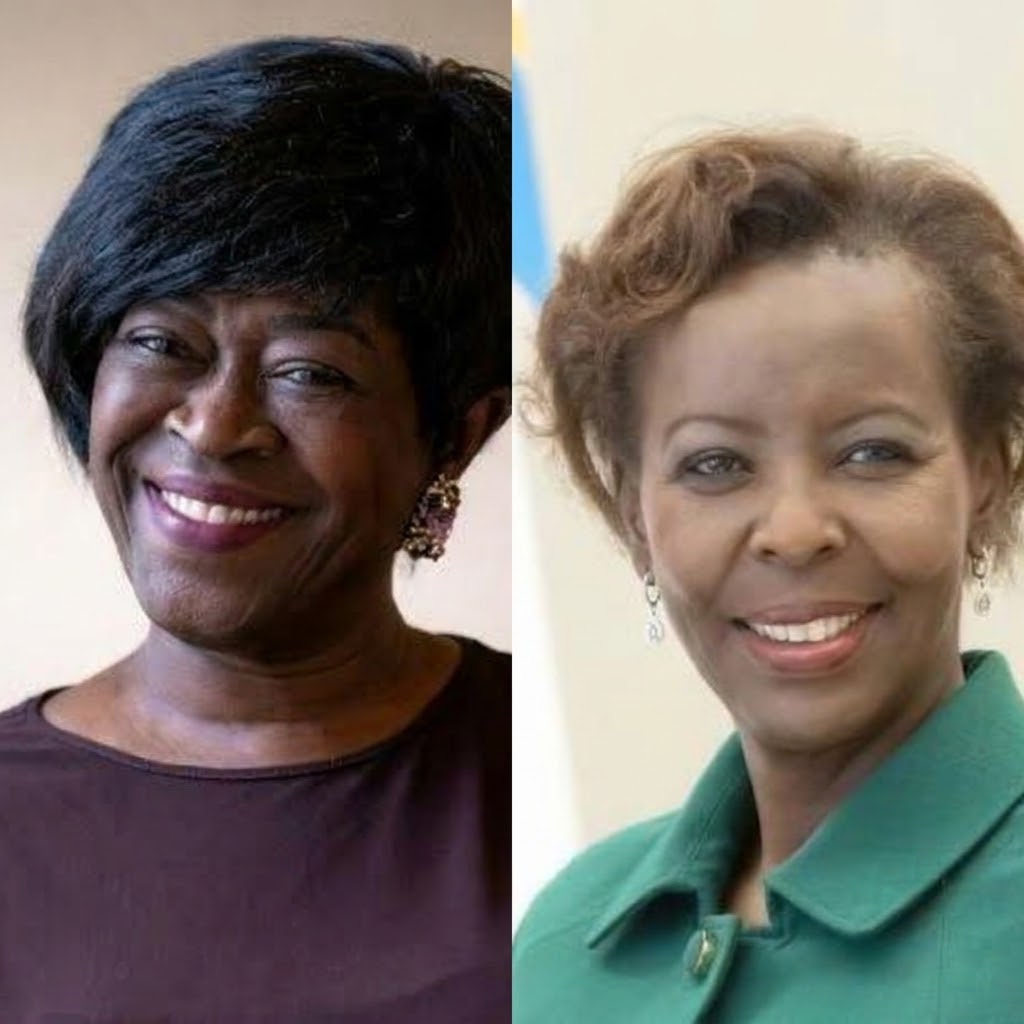
Paul Kagame’s Rwandan camp supports the outgoing Secretary-General, Rwanda’s Louise Mushikiwabo, who is seeking a third term at the helm of the organization.
Félix Tshisekedi’s Congolese camp has chosen to challenge the Rwandan candidate by putting forward a prominent historical figure, Juliana Amato Lumumba, daughter of Patrice Lumumba, the national hero of the Congolese independence struggle. Kinshasa hopes that her candidacy will help sway the vote of member states.
Africa Intelligence has also highlighted the considerable tension surrounding this face-off in Cambodia, which is causing concern among OIF delegations. Meanwhile, other ambitions are emerging behind the scenes, including reported interest from former Senegalese President Macky Sall in leading the organization.
Preventing Direct Incidents Between Félix Tshisekedi and Paul Kagame
The primary objective is to avoid any physical proximity or unplanned interaction that could lead to a verbal confrontation or a gesture perceived as provocative between the delegations of the Democratic Republic of the Congo and Rwanda, whose relations have been marked by persistent tensions.
The seating arrangements, the order in which heads of state arrive, the layout of tables—such as opting for several separate tables instead of one large U-shaped or rectangular table—and even movement routes within the meeting room are carefully planned down to the smallest detail.
Despite the physical distance maintained between the two leaders, protocol generally seeks to ensure that both parties remain present within the same formal setting. This allows the multilateral nature of the summit to be preserved without forcing a premature bilateral dialogue between the two presidents.
With AI