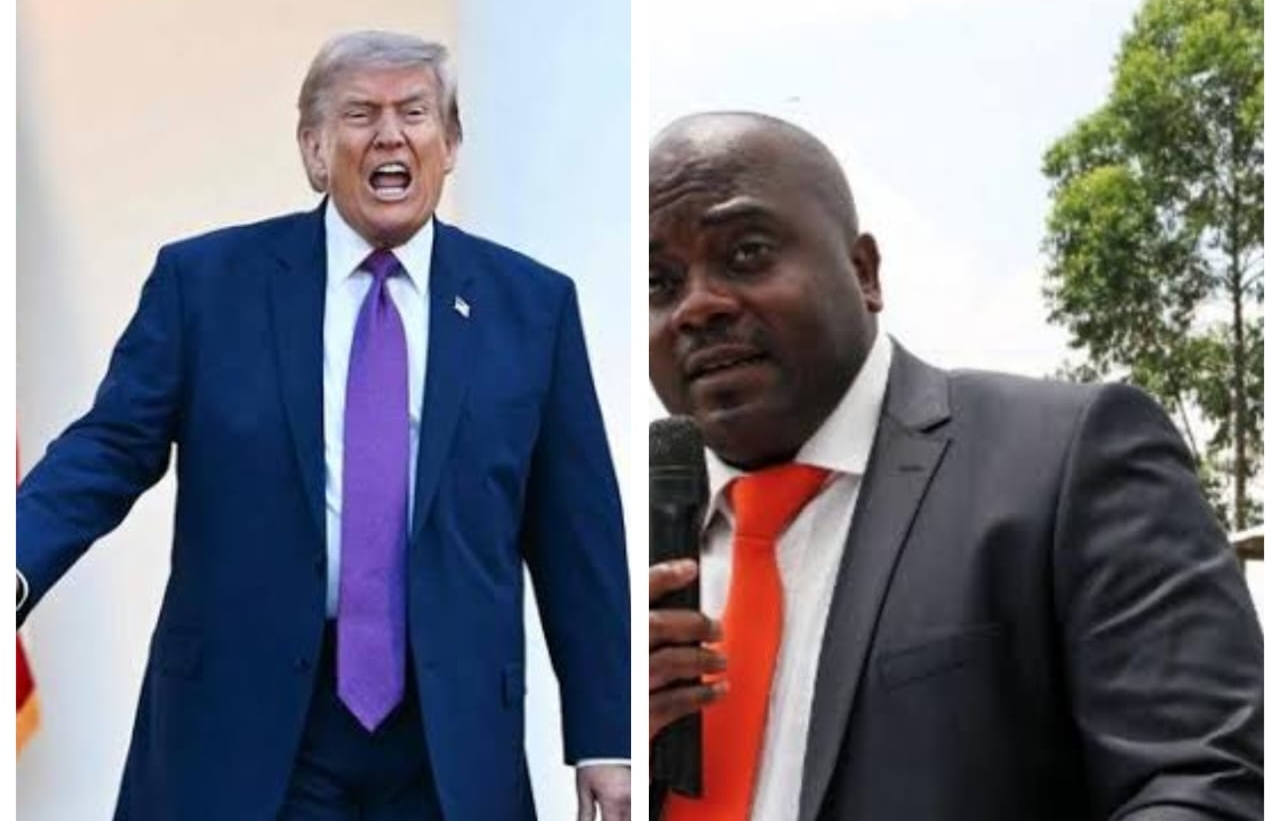
International representatives of the M23 have drafted an MBA-style sales proposal targeting Washington’s commercial diplomacy. The document explicitly claims that the militia’s plan offers a more “realistic” path to securing American mining interests than relying on the Congolese state. This includes the highly strategic town of Rubaya, which holds deposits representing approximately 15% of the total global supply of tantalum.
The March 23 Movement (M23), a rebel militia in the Democratic Republic of Congo (DRC), is actively attempting to bypass the Congolese government by directly proposing a critical minerals supply contract to the Trump administration.
Backed by Rwanda, the M23 has seized control of roughly 45 mining sites in eastern Congo. Among them is Rubaya, a major mining hub accounting for about 15% of the world’s tantalum supply—a metal widely used in smartphones, laptops, and aerospace technology.
The “Transactional” Approach
Aware of President Trump’s pragmatic approach to foreign policy, M23 representatives have crafted a commercial pitch for Washington. The militia argues that dealing directly with them offers a more efficient route to securing American supply chains for critical minerals than working through the official Congolese government, given that the rebel group physically controls the territory and the mines.
US-DRC Strategic Partnership
In late 2025, President Trump signed a strategic partnership with Congolese President Félix Tshisekedi. This agreement grants US companies exclusive and priority access to Congo’s vast resources (notably cobalt and copper) in exchange for economic, infrastructural, and security cooperation aimed at helping Kinshasa combat rebel groups.
In February 2026, the White House launched Project Vault, a $12 billion initiative to build a US strategic reserve of critical minerals, intensifying the race for Congolese resources to counter Chinese dominance over the supply chain.
While the official US-DRC agreement identifies the Rubaya tantalum mines as a strategic target for potential American investment, the M23 maintains total control over these sites, prompting its leaders to attempt a “side deal” with Washington.
Complications and Obstacles to a Potential M23-USA Deal
Despite the armed group’s efforts, a direct agreement faces serious legal, ethical, and political hurdles:
Sanctions: The US Treasury Department has imposed heavy sanctions on the M23 and its leaders for human rights violations and the illicit trafficking of “conflict minerals.”
Pressure on Rwanda: The Trump administration recently imposed sanctions on the Rwandan military for its continued support of the M23, placing pressure on Rwandan President Paul Kagame to distance himself from the armed group.
Redaction


