Since the fall of Kabul in 2021, approximately 1,100 Afghans who collaborated with the United States have been stranded at a military base in Qatar. While Washington struggles to offer them a solution, the Taliban government is repeatedly calling for their return, guaranteeing a level of security that the UN has largely questioned.
A dead-end exile in the Qatari desert
For nearly five years, these Afghan nationals have been living in uncertainty at a former US base in Qatar. Having fled their country for fear of reprisals during the withdrawal of Western troops in 2021, these “allies” were initially supposed to go to the United States.
However, the relocation program—initiated under the Biden administration—has been significantly dismantled by the current president, Donald Trump. Today, these families find themselves in a legal and diplomatic limbo.
Washington’s Controversial Proposal: Congo or Return
Faced with this impasse, the American administration recently put forward proposals that have sparked outrage among human rights organizations:
Relocation to the Democratic Republic of Congo (DRC):** A country itself plagued by serious internal conflicts.
Voluntary repatriation to Afghanistan.
Shawn VanDiver, president of the NGO AfghanEvac, vehemently denounces the Congolese option: *“You don’t transfer vetted allies in war to a country in complete disarray.”*
The Taliban’s Discourse: “Trust and Peace of Mind”
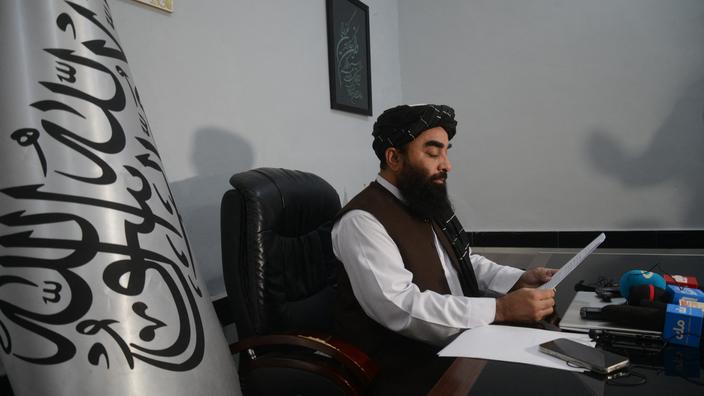
Seizing the opportunity presented by this diplomatic deadlock, the Afghan Ministry of Foreign Affairs issued an official response. Through its spokesperson, Abdul Qahar Balkhi, the Taliban government is urging its citizens to return home:
“Afghanistan is a shared homeland for all Afghans […] We invite those concerned to return with confidence and peace of mind.”
Zabiullah Mujahid, the regime’s spokesperson, insists that there is no security threat to those who return.
The reality on the ground: The United Nations’ denial
Despite the Kabul regime’s promises of amnesty and security, international reports paint a much darker picture. A report by UN Secretary-General António Guterres, published last February, documents an alarming reality between the end of 2025 and the beginning of 2026:
29 arbitrary arrests and detentions of former officials or military personnel.
6 confirmed cases of torture and ill-treatment.
These attacks specifically target former collaborators with Western forces, including some individuals who have already attempted to return.
While the fate of these 1,100 exiles depends on the decisions of the White House, the Taliban’s offer of “peace” appears to many observers to be a political trap in the midst of a humanitarian crisis that has lasted far too long.
With Le Figaro